
Introduction
Igenics is a dietary supplement that has gained popularity in recent years, particularly for its purported benefits in promoting eye health. As the prevalence of eye-related issues such as macular degeneration, cataracts, and digital eye strain increases, many individuals are turning to nutritional supplements to support their vision. This report will explore the ingredients, benefits, scientific backing, and potential drawbacks of Igenics, providing a thorough understanding of its role in eye health.
Composition of Igenics
Igenics is formulated with a blend of vitamins, minerals, and herbal extracts that are believed to contribute to eye health. The primary ingredients typically include:
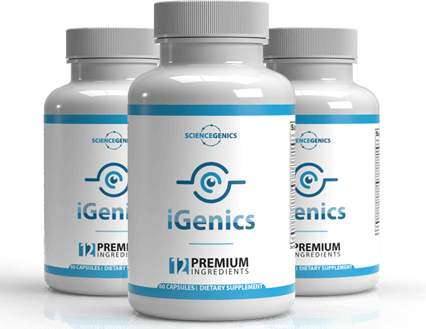
- Lutein and Zeaxanthin: These are carotenoids found in high concentrations in the retina. They are known for their antioxidant properties and their ability to filter harmful blue light, which can contribute to retinal damage.
- Vitamin C: An essential vitamin that plays a crucial role in maintaining eye health. It is a powerful antioxidant that helps protect the eyes from oxidative stress, which can lead to cataracts and age-related macular degeneration (AMD).
- Vitamin E: Another antioxidant that helps protect the eyes from free radical damage. Studies suggest that adequate vitamin E intake may reduce the risk of developing cataracts and AMD.
- Zinc: This mineral is vital for maintaining the health of the retina and may help prevent age-related vision loss. Zinc deficiency has been linked to an increased risk of AMD.
- Omega-3 Fatty Acids: Particularly DHA (docosahexaenoic acid), which is important for retinal health. Omega-3s have been shown to reduce inflammation and may help alleviate dry eye symptoms.
- Bilberry Extract: Known for its high antioxidant content, bilberry is believed to support night vision and overall eye health.
- Grape Seed Extract: Contains proanthocyanidins, which may help improve blood flow to the eyes and reduce oxidative stress.
Benefits of Igenics
The ingredients in Igenics are selected based on their potential benefits for eye health. Some of the reported benefits include:
- Protection Against Macular Degeneration: The combination of antioxidants and carotenoids in Igenics may help protect the retina from oxidative damage, potentially lowering the risk of AMD.
- Reduced Risk of Cataracts: The antioxidant properties of vitamins C and E, along with zinc, may contribute to a lower risk of cataract formation.
- Improved Visual Function: Some users report enhanced visual acuity and reduced glare sensitivity, likely due to the effects of lutein and zeaxanthin.
- Relief from Digital Eye Strain: With the increasing use of digital devices, many individuals experience symptoms of digital eye strain. Ingredients like lutein and omega-3 fatty acids can help alleviate discomfort associated with prolonged screen time.
- Support for Overall Eye Health: The comprehensive formulation of Igenics aims to provide a holistic approach to maintaining eye health, addressing various aspects from retinal protection to hydration.
Scientific Backing
While the individual ingredients in Igenics have been studied for their effects on eye health, the specific formulation has not been extensively researched as a whole. However, several studies support the efficacy of its key components:
- Lutein and Zeaxanthin: Research has shown that supplementation can increase macular pigment density, which is associated with better visual performance and a reduced risk of AMD.
- Vitamins C and E: The Age-Related Eye Disease Study (AREDS) found that high doses of these vitamins, along with zinc, significantly reduced the risk of advanced AMD.
- Zinc: Studies indicate that zinc supplementation can slow the progression of AMD and is crucial for maintaining the health of the retina.
- Omega-3 Fatty Acids: Research suggests that DHA is essential for retinal function and may help reduce dry eye symptoms, particularly in individuals who spend long hours in front of screens.
Potential Drawbacks and Considerations
Despite the potential benefits, there are some considerations to keep in mind when using Igenics:
- Individual Variability: The effectiveness of Igenics can vary from person to person based on individual health status, dietary habits, and existing eye conditions.
- Not a Substitute for Professional Care: While Igenics may support eye health, it should not replace regular eye examinations or professional medical advice. Individuals with existing eye conditions should consult their healthcare providers before starting any supplement regimen.
- Possible Side Effects: Although generally considered safe, some individuals may experience mild side effects such as gastrointestinal discomfort. It is essential to adhere to the recommended dosage and consult a healthcare professional if adverse effects occur.
- Quality Control: As with any dietary supplement, the quality of the product can vary between manufacturers. It is crucial to choose reputable brands that adhere to strict quality control standards and provide third-party testing results.
Conclusion
Igenics presents a promising option for individuals seeking to enhance their eye health through nutritional supplementation. With a blend of scientifically supported ingredients, it aims to protect against common age-related eye conditions and alleviate symptoms associated with digital eye strain. However, it is essential to approach supplementation with caution, considering individual health needs and consulting with healthcare professionals as necessary. As research continues to evolve, Igenics may play a more significant role in preventive eye care, contributing to a future where vision health is prioritized and maintained through informed dietary choices.